Elephant Conservation & Ethical Wildlife Tourism
Chiang Mai – Mae Wang – Local Hilltribe Village, Thailand
7 Days / 6 Nights
Explore responsible elephant care, community-led conservation, and the transformation of wildlife tourism through ethical and sustainable practices rooted in Thai environmental philosophy.
Student Learning Outcomes
By the end of this program, students will:
1. Understand the historical and cultural significance of elephants in Thai society.
2. Learn ethical approaches to wildlife tourism and conservation.
3. Engage in hands-on care and habitat enrichment for rescued elephants.
4. Reflect on human-wildlife relationships and environmental ethics.
5. Explore how local communities create sustainable income through eco-tourism.
By the end of this program, students will:
1. Understand the historical and cultural significance of elephants in Thai society.
2. Learn ethical approaches to wildlife tourism and conservation.
3. Engage in hands-on care and habitat enrichment for rescued elephants.
4. Reflect on human-wildlife relationships and environmental ethics.
5. Explore how local communities create sustainable income through eco-tourism.
Package Include:
Local accommodation or resort stay
Ground transportation
Meals (as per itinerary)
Professional facilitator or guide
Collaboration with a local university
Local expert speaker
Sightseeing excursions
All trip logistical arrangements
Packages Itinerary:
Day 1
Arrival & Thai Cultural Welcome
- Arrive in Chiang Mai and check-in
- Orientation session: The Role of Elephants in Thai Culture & History
- Group welcome dinner with Thai cultural performance
Outcome: Students are introduced to local traditions and the importance of elephants in Thai
identity.
Day 2
Understanding Ethical Tourism & Wildlife Welfare
- Travel to an ethical elephant sanctuary in Mae Wang (2 hours)
- Introduction to sanctuary principles: no riding, no chains
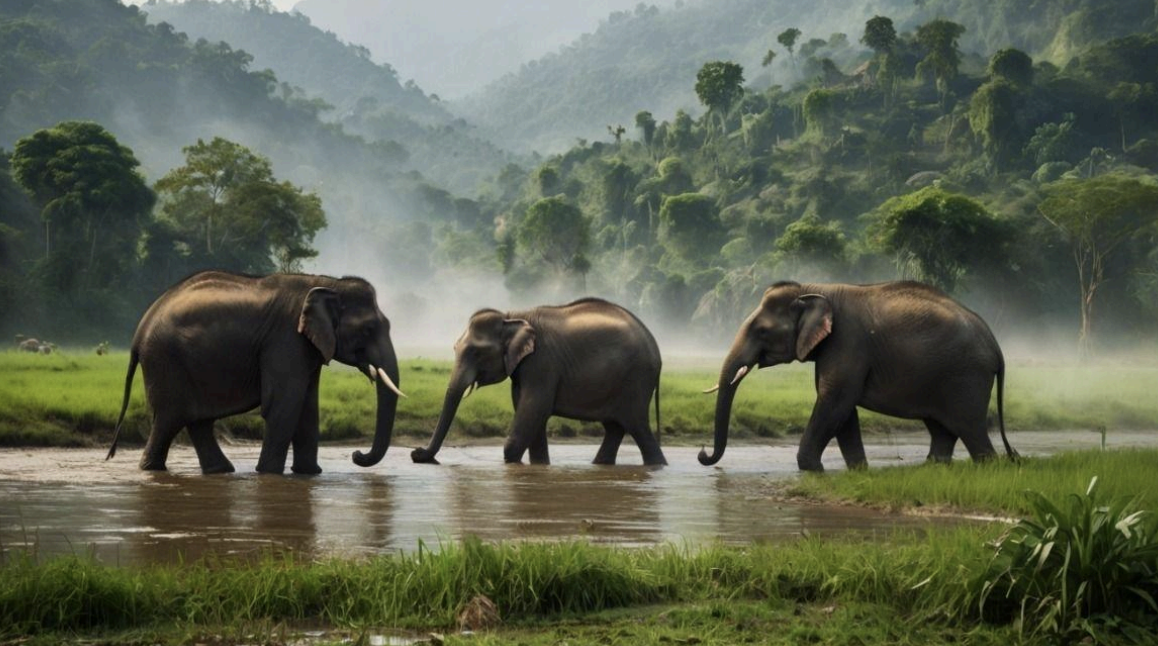
- Guided nature walk to observe elephant behavior in semi-wild habitat
- Evening dialogue: Ethics of Wildlife Tourism: What Responsibility Do We Carry?
Outcome: Students explore animal welfare principles and their impact on tourism models.
Day 3
Hands-On Elephant Care & Sustainable Practices
- Participate in daily elephant routines: feeding, bathing (in a natural stream), observation
- Prepare natural enrichment activities using bamboo and fruits
- Workshop: How to Design an Ethical Wildlife Program
- Group reflection and discussion
Outcome: Students develop empathy and care through direct engagement with rescued
elephants.
Day 4
Forest Conservation & Rewilding Efforts
- Forest walk with local conservationists to explore elephant habitats
- Join reforestation activity: tree planting & soil regeneration
- Learn about human-elephant conflict and migration corridors
- Campfire circle: story sharing with local mahouts (elephant caretakers)
Outcome: Students understand ecosystem restoration and biodiversity protection.
Day 5
Community-Based Eco-Tourism
- Visit a nearby hill tribe village practicing eco-tourism
- Cultural exchange: learn traditional crafts or herbal medicine
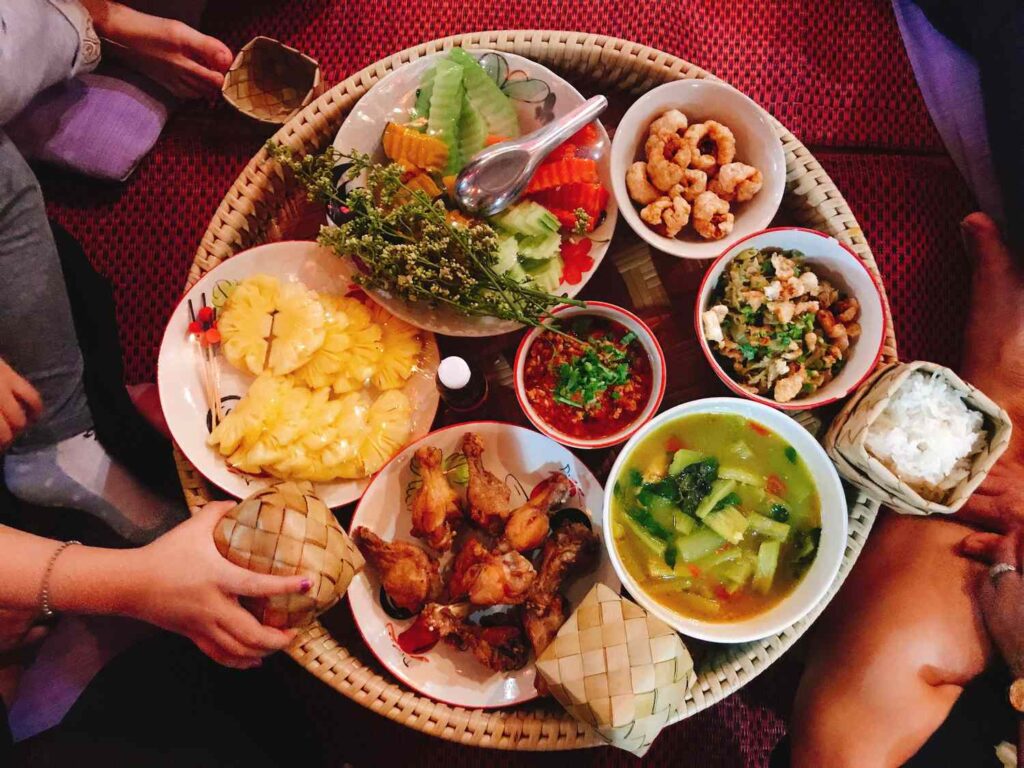
- Cooking class: prepare a meal with local families using native ingredients
- Community talk: How We Coexist With Elephants
Outcome: Students witness how communities drive conservation and create green
livelihoods.
Day 6
Creative Reflection & Advocacy Planning
- Return to Chiang Mai
- Student group challenge: Create an ethical wildlife campaign or advocacy plan
- Optional visit to Elephant Parade House: learn how art funds elephant welfare
- Closing circle & certificate ceremony
Outcome: Students apply their knowledge and commit to action beyond the program.
Day 7
Farewell & Departure
- Final group discussion and journaling
- Farewell breakfast
- Transfer to airport or next destination
Outcome: Students consolidate learning, reflect on ethical leadership, and depart inspired.
Ready to Explore?
Book Your Adventure Today
Need Help? Contact Us
Inquiry Form
Tell us about your trip. We’ll get back to you shortly.